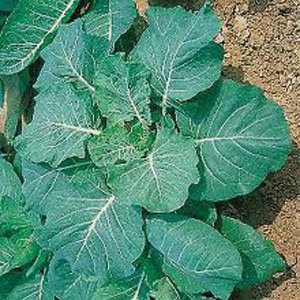
Broad, dark blue-green leaves on vigorous, nonheading plants for a cool-season collard harvest.
An open-leaf Southern collard
Georgia Southern grows broad, dark blue-green leaves on vigorous plants that stay open rather than forming a cabbage head. That growth habit suits gardeners who want to gather leaves for the kitchen as the planting develops. The leaves can be cooked fresh or prepared for freezing and canning. Give this collard enough room to spread. A full-size plant is a leafy vegetable crop, not a small salad green that can remain crowded in a narrow seed row.
Plan for leaves over time
The approximate maturity is seventy-five days, although weather and the size of leaf you want will affect the first picking. Georgia Southern tolerates cool weather and light frost. Collards develop better flavor during cooler weather, making them a useful crop when summer vegetables are finishing. Choose a planting window that gives the plants time to establish before the period when you want regular harvests. A young seedling and a mature plant ready for repeated leaf cutting need different amounts of space.
Build a healthy leaf canopy
Start in a sunny, well-drained bed. Direct-sown seedlings need thinning so neighboring plants do not press their leaves together as they mature. Water the seedbed gently until seedlings establish, then keep moisture consistent through dry spells. Collards respond to nitrogen, but fertilizer amounts should follow a soil test and local vegetable guidance. A crop grown for its foliage needs steady growth; letting the bed dry severely between waterings works against the tender leaves you are trying to produce.
Pick without stripping the plant
Harvest the lower, outer leaves while leaving the growing center intact. Take only part of the foliage at a picking. Removing more than a third at once reduces the leaf area left to support continued growth. Check both sides of leaves while harvesting so chewing damage is caught early. Wash the picked leaves and remove tough stems before cooking as desired. For a larger preservation harvest, plan the picking around the amount you can process promptly rather than leaving cut greens to wilt.


 Ask Daisy