An Italian-type bush bean with broad, flat pods for snap-bean or shell-bean harvest.
Flat pods with a different bite
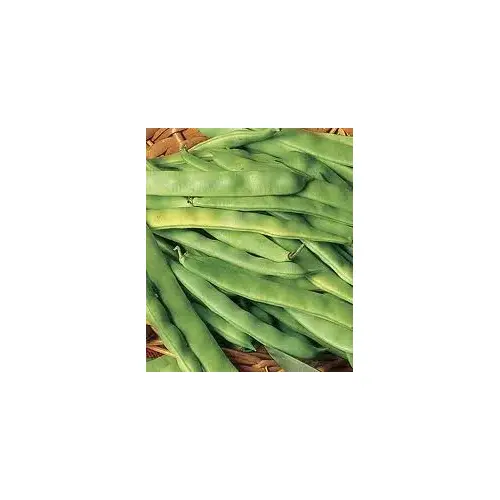
Roma II produces broad, flat, light-green pods. This Italian-type bean is a useful choice when you want a flat-podded bean rather than the round pod of a conventional green bean. It can be used as a snap bean or allowed to develop for shelling. Choose your harvest stage to match the meal you have in mind. Picking the whole young pod and shelling developed beans are different uses of the same planting.
A bush bean bed without a trellis
Roma II is a bush bean. The compact growth habit lets you plan a bean row without setting up the tall support needed by pole varieties. Leave access beside the row for picking and keep the plant spacing deliberate. A bed that looks open when seeds are sown can become difficult to reach once the leaves overlap. Plan the path before the crop fills it.
Sow into warm soil
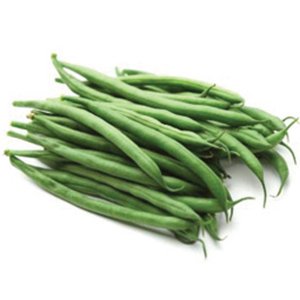
Wait until the danger of frost has passed and the soil has warmed. Beans planted too early face conditions that work against establishment. Choose a sunny, well-drained site and prepare the bed before sowing. Keep moisture consistent while the seedlings emerge. If you want to compare this variety with a round-podded bean, label both rows clearly so their different pod shapes remain connected to the right cultivar.
Harvest for the job you want
For a snap-bean crop, check the pods while they are tender rather than waiting for the seeds to fill and harden. A shell-bean harvest means letting the beans inside develop further. Examine a few pods as the row matures and choose the stage you want to bring to the kitchen. The broad shape makes Roma II easy to distinguish when it is growing alongside another bean variety.
Keep feeding in balance
Bush beans do not need the same fertilizer rate as many other garden vegetables. Excess nitrogen can limit production, so use soil-test guidance and avoid feeding mainly for lush foliage. Work finished compost into the bed where organic matter is low. Remove small weeds before they compete heavily for water. Keep a record of the planting date and harvest stage so the next row fits your garden and cooking plans.

 Ask Daisy