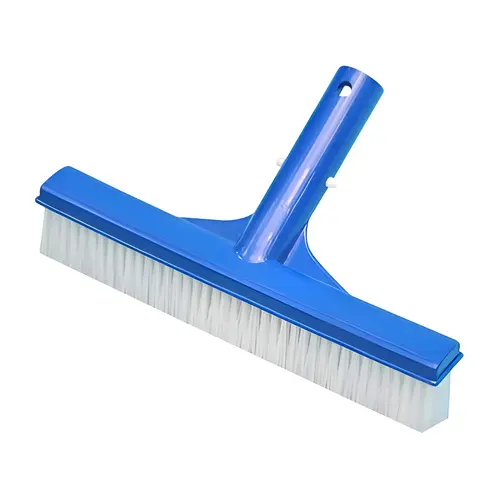
A compact wall brush for loosening attached pool residue in sections that a surface net cannot clean.
Work on residue attached to the wall
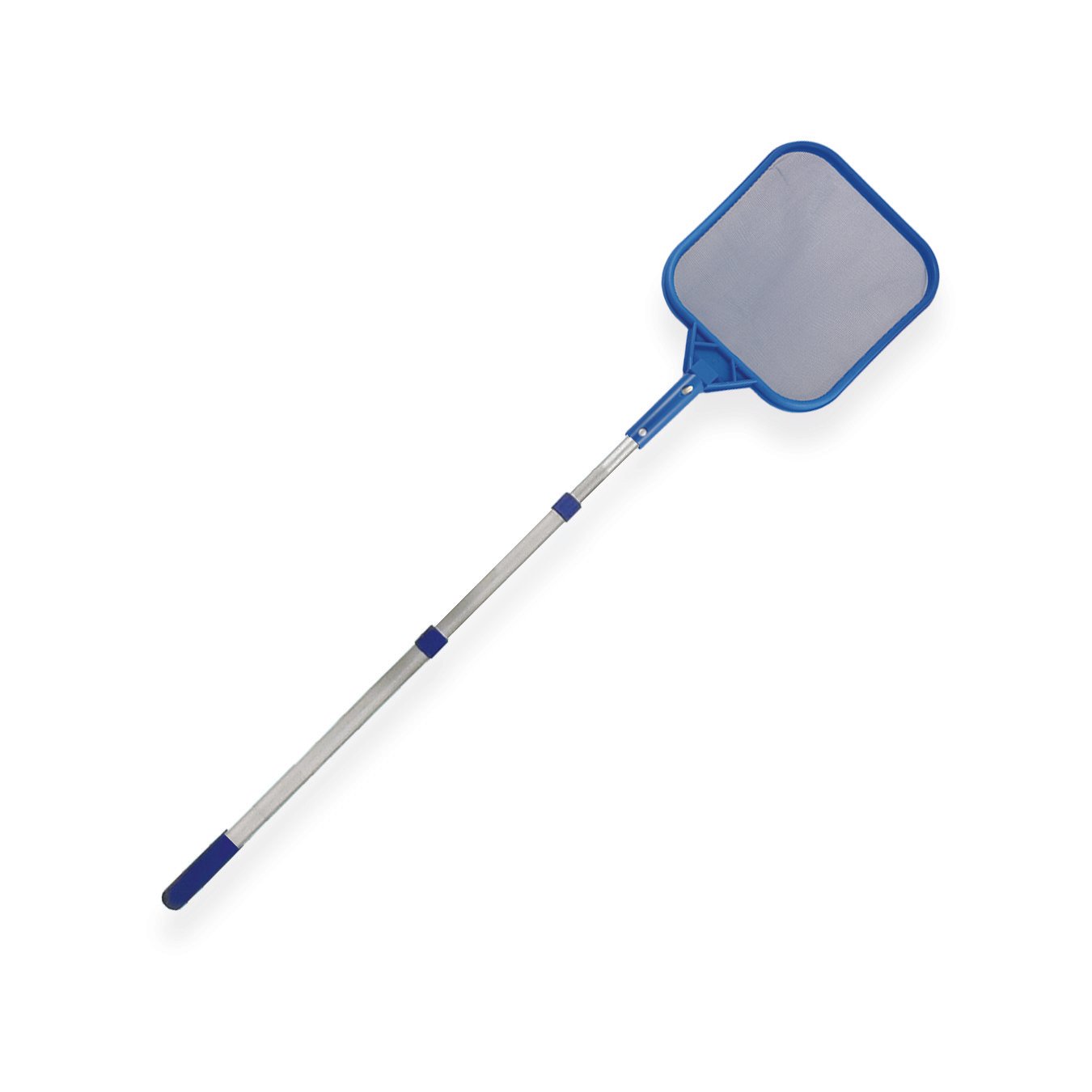
A leaf skimmer collects debris floating in the water. A wall brush works on material that remains attached to the pool surface. The JED 70-261 gives you a compact head for that contact-cleaning step. Choose it when the job calls for brushing a section of wall rather than lifting leaves with a net. Water can look clear while residue is still present on a surface, so the two tools address different parts of pool care.
A smaller head for confined sections
The ten-inch working width lets you concentrate on a smaller area at a time. That can be useful along an edge or in a section where a broad brush is difficult to place. The tradeoff is coverage: a long, open wall needs more passes with a compact head. Think about where you need control and access when choosing the brush, rather than assuming the widest head is always the most useful one.
Brushing is the loosening step
Brushing releases attached dirt or buildup so the rest of the cleaning process can deal with it. A brush does not hold that loosened material in a bag, and it does not replace vacuuming or filtration. Check what happens to the debris after brushing. Material that settles on the floor needs a different removal step from leaves still floating at the surface. Combining the right tool with the location of the debris makes each pass useful.
Keep physical cleaning alongside water care
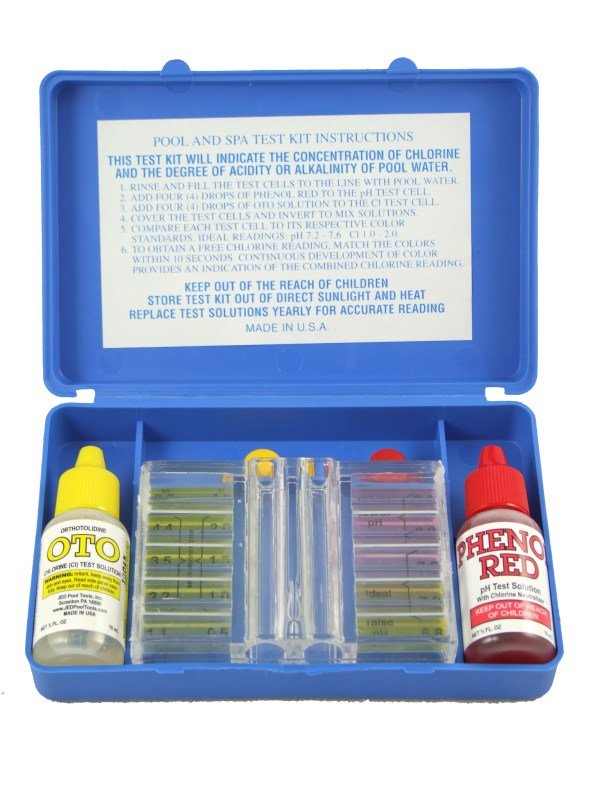
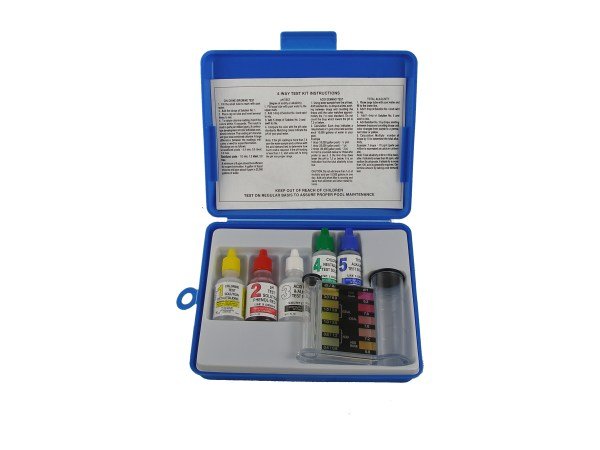
Pool care includes both surface cleaning and water treatment. A wall brush supplies friction against the surface; it does not measure chlorine or pH. Water testing remains part of the maintenance routine even after visible residue has been removed. Match your brushing approach to the care guidance for the pool's finish.
Inspect the tool where it makes contact
Check the head before use and after it has been stored with other equipment. A distorted or damaged head changes the way the brush contacts the wall. Work a reachable section at a time so you can see where residue remains and where it has loosened. Rinse away collected debris after the job. Keeping the working face clear lets the next cleaning pass address the pool surface instead of pushing old debris back into it.

 Ask Daisy