A light-duty, three-ply garden hose with solid brass fittings for ordinary watering jobs.
Choose a hose for everyday watering
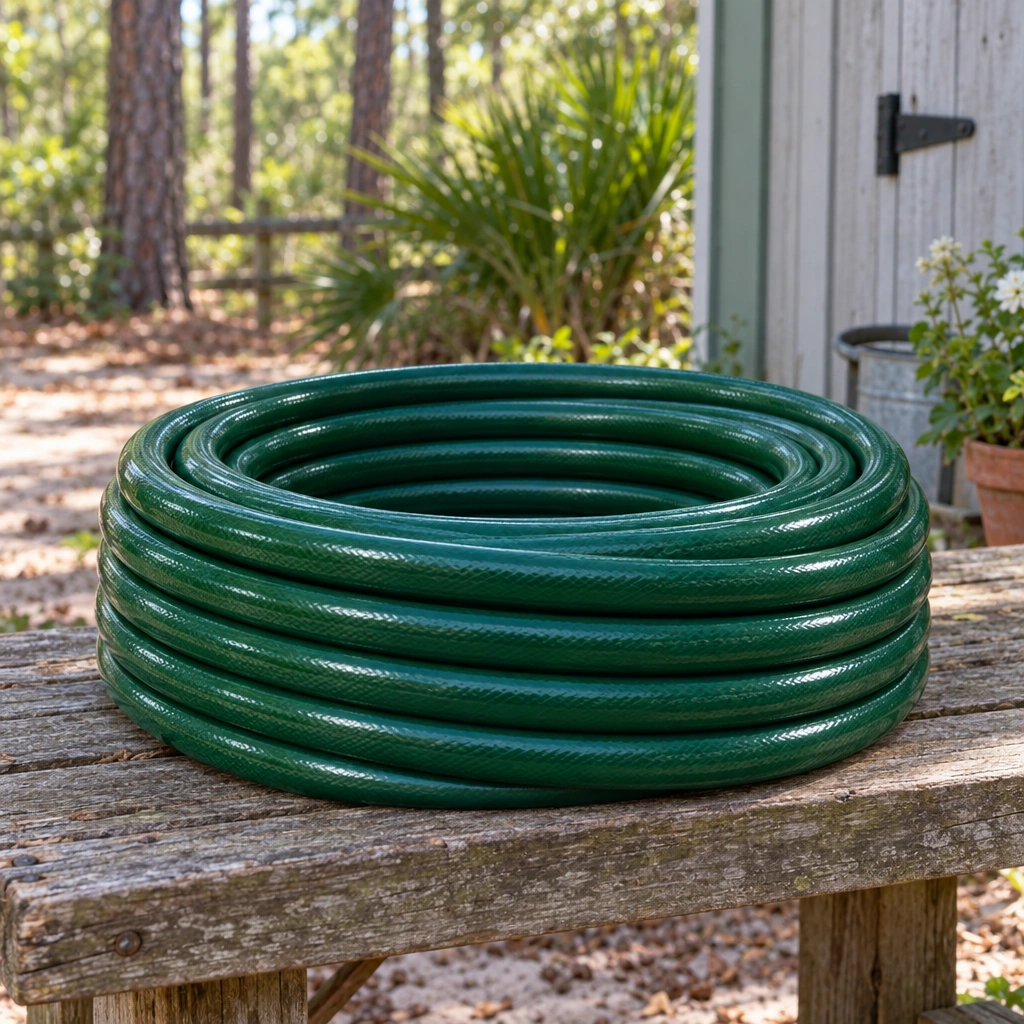
AquaTech Light Duty Garden Hose is intended for routine work around the garden. Connect it to your water supply and use it with the watering attachment that suits the job. The construction is three-ply, with solid brass fittings at the ends. It is the light-duty line, so choose it for everyday watering rather than assuming a heavier construction from its familiar green garden-hose appearance.
Pay attention to the fittings
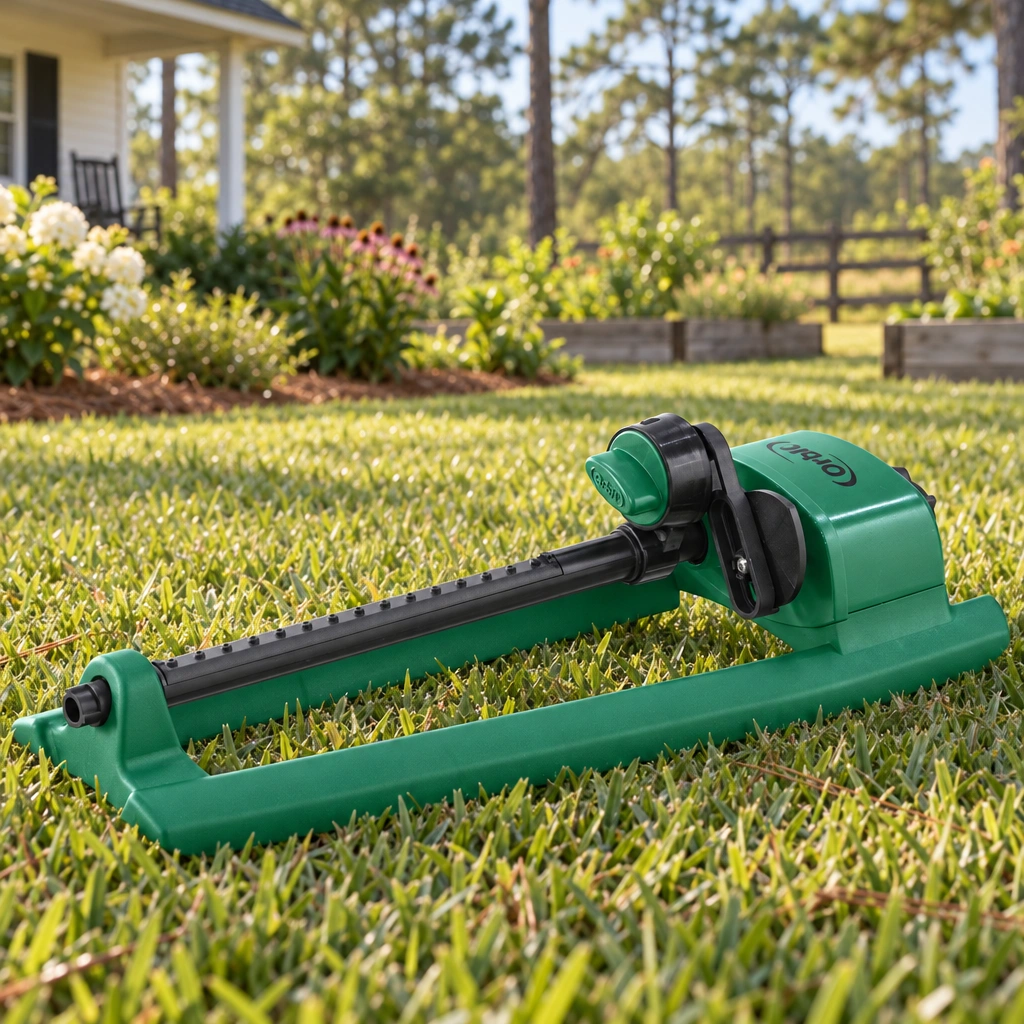
The fittings are the part you handle whenever you move a hose from the faucet to a sprinkler or change the attachment at the other end. Solid brass fittings give this hose metal connections at those working points. Start each threaded connection straight before tightening it. If the connection is difficult to start, back it off and align it again instead of forcing the threads together.
Understand the pressure specification
The published 350 PSI figure is a burst-pressure specification. It describes the hose rating under that test condition. It does not tell you to set a water supply to that pressure. Keep that distinction in mind when comparing hoses, especially if another hose lists working pressure instead. This hose uses cadmium and lead-free materials. The light-duty specification does not make the separate drinking-water claim made for some other AquaTech hose lines.
Plan the route before you water
Run the hose from the faucet to the work area before attaching the nozzle or sprinkler. Give it enough room around corners so a short section is not pulling against a fitting. Check the route again if you move a sprinkler farther across the lawn. Choosing the route first also lets you keep the connection points accessible instead of burying them behind a planter or dragging them into a bed.
How to use it
Connect the supply end and your watering attachment, then open the water and check the joints. Position the hose so it can follow the work without a sharp bend. Turn the faucet off before removing an attachment or changing the layout. Release the remaining water before disconnecting and gathering the hose for storage. Inspect both fittings when you put it away so a damaged connection does not surprise you at the next watering job.

 Ask Daisy