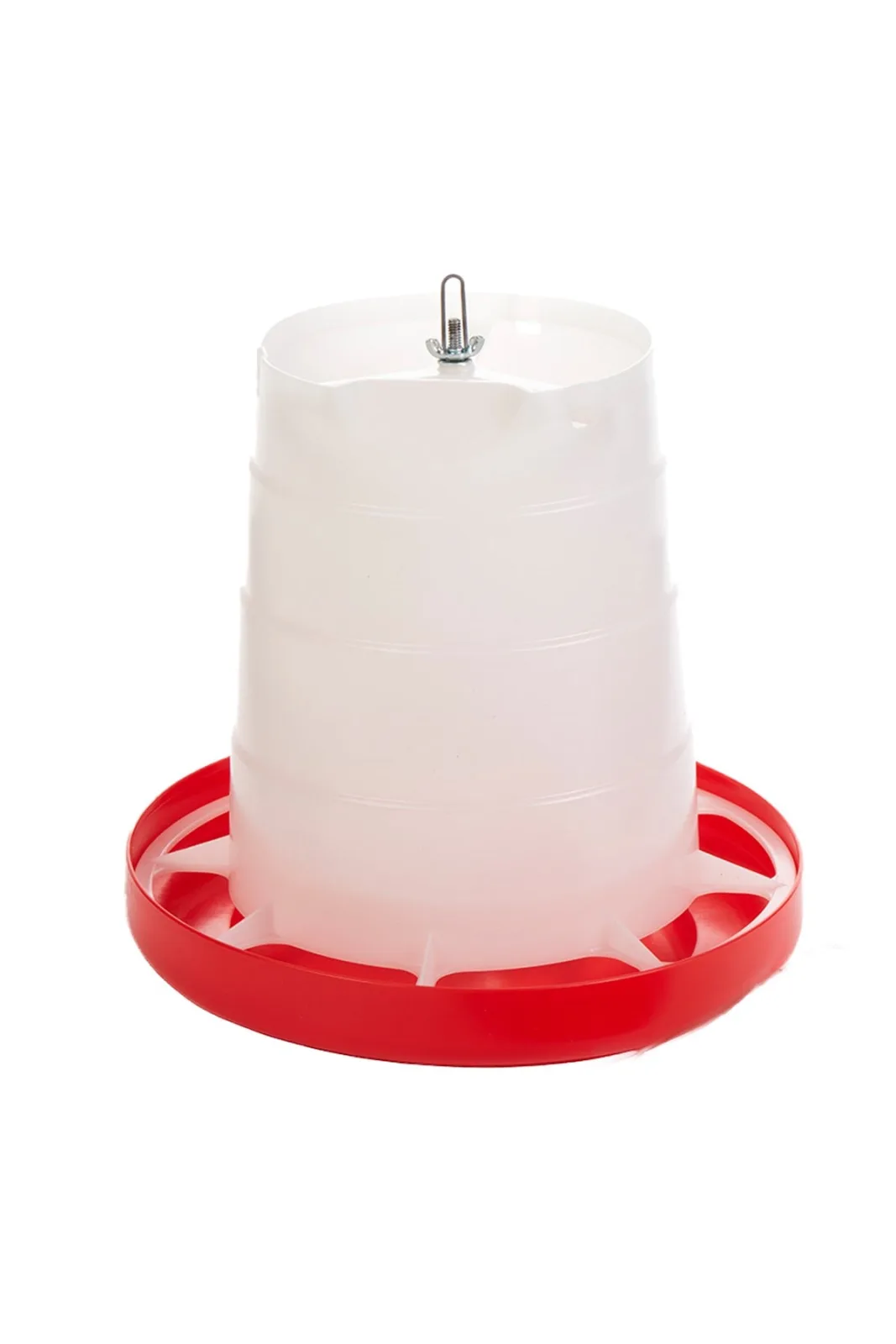
Feed on the floor gets scratched, dirtied by droppings and scattered, and a good share of it ends up wasted. This hanging feeder keeps the feed up and off the ground, where birds have to work to spread it. The feed-saver ring limits scratching and spillage, so more of what you buy ends up in the birds.
It's built for the long haul. Impact-resistant, BPA-free plastic won't rust or corrode, and reinforced ribs run around the body for extra strength. The metal bracket hangs the feeder and lets you set the feeding level, so the same feeder works from the chick stage through the pullet stage.
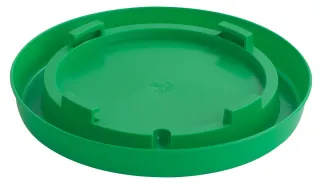
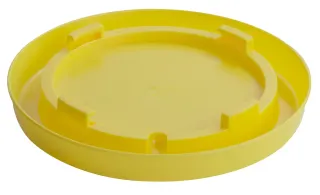
The larger space in the ring lets waterfowl reach the feed with their bills, so ducks and geese don't have to fight for their food. Add the lid when you want a covered, snap-on feeder.
Highlights
- Feed-saver ring limits scratching and spillage
- Hangs off the floor to save space
- Adjustable metal bracket sets the feeding height
- BPA-free, impact-resistant plastic that won't rust
- Reinforced ribs for everyday durability
Why a hanging feeder beats one on the floor
A hanging feeder keeps feed out of the litter. Birds that scratch the floor throw feed everywhere, and the feed that lands in the bedding gets dirty and goes to waste. Hung at the right height, the feeder stays where the birds can reach it, and the feed stays inside.
The bracket is what makes this feeder practical. Set the rim near the height of the birds' backs, and they feed without stretching or stepping up. Raise it as the birds grow, and one feeder carries you from chick to pullet.
It suits a backyard flock, a small duck or goose run, or a mixed set of birds in one pen. The ring's larger opening lets waterfowl reach the feed, and the solid plastic body holds the feed in one place.
At a glance
| Material | BPA-free, impact-resistant plastic |
|---|
| Construction | Reinforced ribs around the body |
|---|
| Hanger | Metal bracket with adjustable feed level |
|---|
| Lid | Sold separately |
|---|
How to use it
Hang the feeder from the metal bracket where the birds can reach it, then set the height so the rim sits at about back height. Fill it, and top it off as the feed drops.
- Hang it in a dry spot out of the weather.
- Set the bracket so the rim sits level with the birds' backs.
- Snap the lid in place when you want a covered feeder.
Wash the feeder with warm, soapy water every week or two, rinse it, and let it dry before you refill. Damp feed and droppings breed mold and bacteria, so a clean feeder keeps the feed good to the last scoop.
Good to know
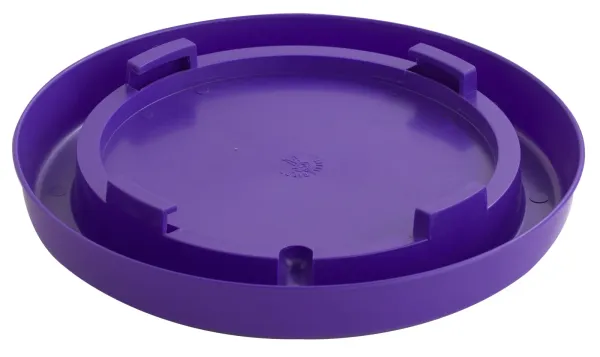
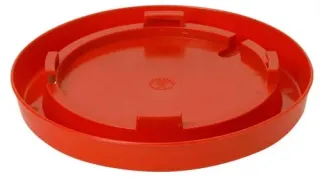
- The lid is sold separately. It snaps in place for a secure fit and keeps rain and debris out of the feed.
- Pair the feeder with a hanging waterer on the same run, so birds find water and feed in one spot.
- Check the bracket and the hanger each time you clean. A loose bracket lets the feeder drop.
- Replace the feeder when a rib cracks or the ring wears thin, since a broken rib lets feed spill.
- Keep a galvanized feed can close by for the feed you hang here, so the stock stays covered.
About Miller Manufacturing
Little Giant is a Miller Manufacturing brand. Miller started as a family-owned business in 1941 and makes farm and ranch products under several brand names, including Little Giant.
Hang one before the pullets move in.

 Ask Daisy