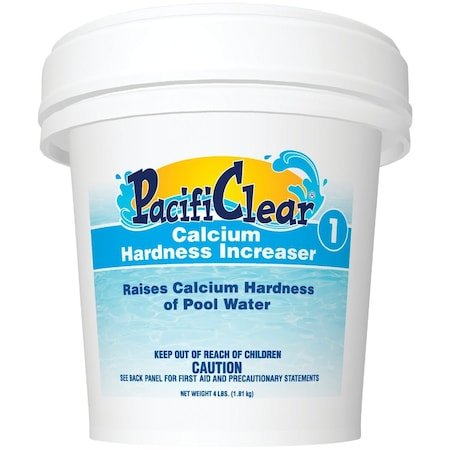
Granular calcium chloride for raising calcium hardness in pool water.
Start with the calcium reading
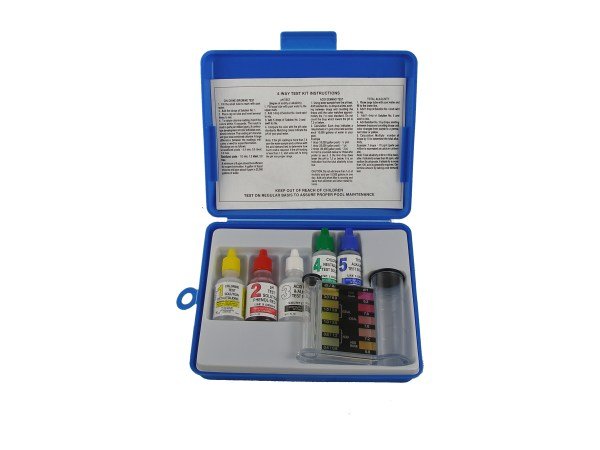
Calcium hardness measures dissolved calcium in pool water, usually reported in parts per million. Granular calcium chloride raises that reading. Test before adding anything. A low reading may let water draw minerals from plaster or other finishes, while a high reading can contribute to scale and cloudiness. Those symptoms have other causes too, including pH, alkalinity, filtration, and sanitizer imbalance. A water test separates a calcium adjustment from a treatment aimed at a different problem.
Work from pool volume and the test gap
A useful calculation is 6 pounds per 10,000 gallons for an increase of 50 ppm. Scale that relationship to both the water volume and the difference between the test result and the pool surface maker’s target. For example, a 20,000-gallon pool that needs a 100 ppm rise calls for four times that reference amount, or 24 pounds. Treat it as a calculation, not a guess from how cloudy the water looks. Measure the pool accurately and weigh the amount instead of estimating by scoop.
Keep the other readings in view
Calcium hardness is only one part of water balance. Check pH and total alkalinity before and after a calcium correction, because a poor reading in one area can make the water behave differently than the calcium number suggests. Keep a log with pool volume, test date, calcium result, and the amount added. If the same reading keeps falling, compare it with the water used to refill the pool. A persistent source-water pattern calls for a different plan than a one-time correction.
Match the target to the pool finish
Calcium targets depend on the pool surface. A useful reference range for masonry pools and spas is 200 to 400 ppm; vinyl and fiberglass pools use lower ranges, about 80 to 200 ppm. Hotter water above 90°F also shifts the preferred calcium range down. Follow the target for your pool finish and equipment rather than applying one number to every construction type. High calcium can form scale and cloudiness. When fill water itself is hard, dilution may not be a practical correction; pH and alkalinity then matter in the overall saturation balance.
Product analysis
Granular calcium hardness increaser for swimming pools and spas. Calcium chloride 94-100%, CAS 10043-52-4.
Product direction: 6 pounds of Calcium Hardness Increaser per 10,000 gallons of water will raise calcium hardness level by 50 ppm.
Directions for use
6 pounds of Calcium Hardness Increaser per 10,000 gallons of water will raise calcium hardness level by 50 ppm.
Cautions
WARNING. HARMFUL IF SWALLOWED. EYE IRRITANT. SKIN IRRITANT. Wear eye and face protection and wash hands and clothing after handling. Do not eat, drink or smoke when using this product. Wash thoroughly after handling. Avoid breathing dust. Store in a cool, dry place in original container and out of direct sunlight.
FIRST AID: Eyes: Hold eye open and rinse slowly and gently with water for 15-20 minutes. Remove contact lenses, if present, after the first 5 minutes, then continue rinsing eye. Call a poison control center or doctor for treatment advice. Skin or clothing: If on skin wash with plenty of water. If skin irritation occurs, get medical attention. Take off contaminated clothing and wash before reuse. Inhaled: If inhalation of dust occurs and adverse effects result, remove to uncontaminated area. Call a Poison Control Center or doctor if you feel unwell. Swallowed: If swallowed, do not induce vomiting. Get medical attention immediately. Never give anything by mouth to an unconscious or convulsive person. Have the product container or label with you when calling a poison control center or doctor, or going for treatment. There is a need for rapid medical treatment on any ingestion exposure.

 Ask Daisy