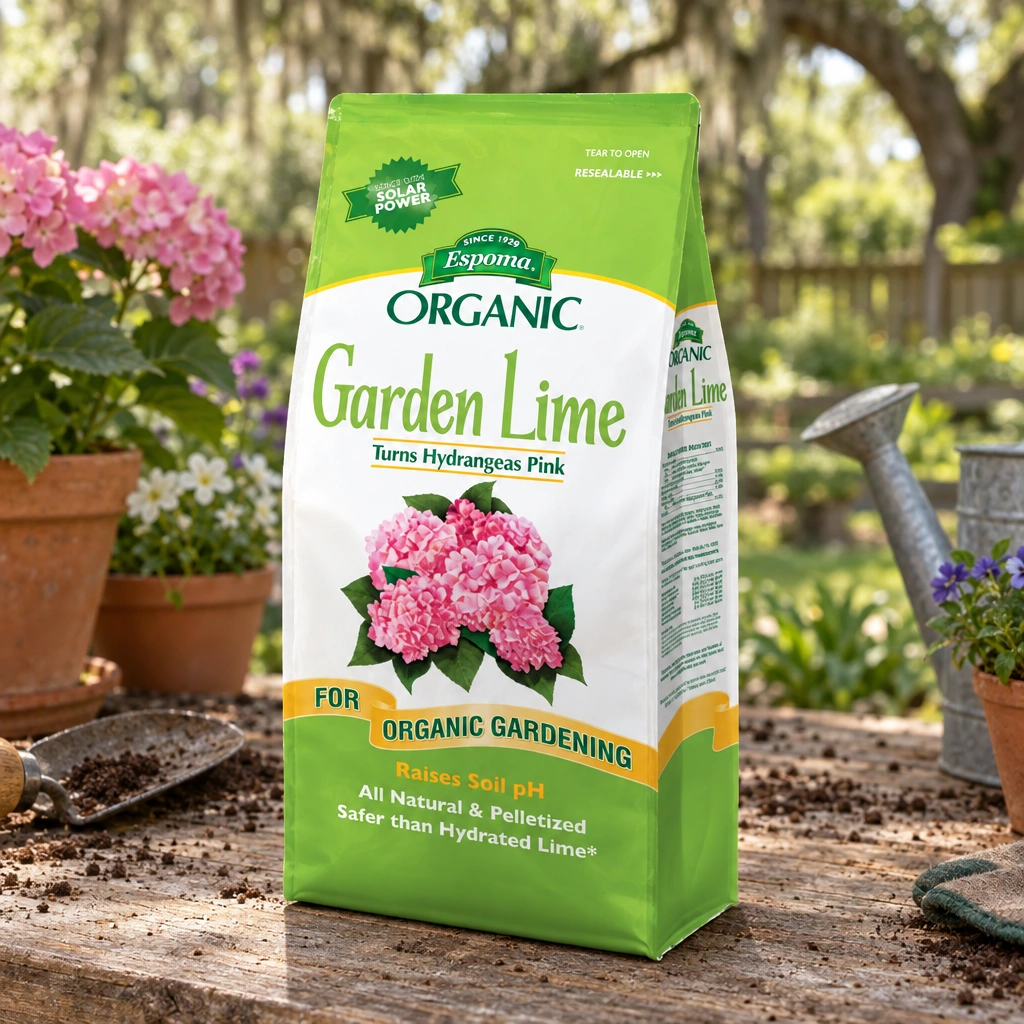
Pelletized dolomitic limestone for garden soil where testing shows that raising pH is appropriate.
Soil pH changes nutrient access
Garden lime is a soil amendment for ground that is too acidic for the plants growing there. Soil pH affects how readily roots can take up nutrients. In strongly acidic soil, some nutrients become less available while certain elements can become excessive. Raising pH can improve that balance, but the right target depends on the plant. A vegetable bed and a patch of blueberries do not have the same preferences. Lime is useful when the soil and crop are a poor match, not as a routine treatment for every garden.
Test before changing a bed
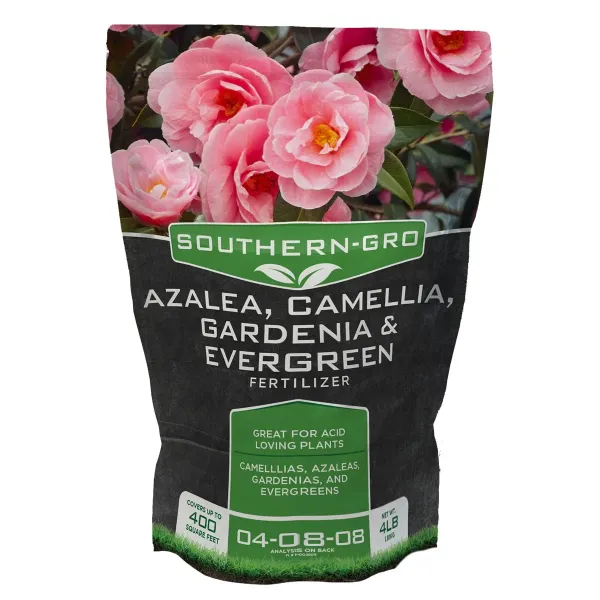
A soil test gives the gardener a reason to apply lime and helps avoid pushing pH too high. Excessive liming can create its own nutrient problems. That matters in a mixed yard, where acid-loving plants such as blueberries, azaleas, and gardenias may be growing near vegetables or flowers. Treat only the area that needs a higher pH. Keep separate beds in mind when planning amendments, because one application across the whole yard may help one crop and hinder another.
Dolomitic lime also supplies magnesium
Espoma Garden Lime is pelletized dolomitic limestone. Dolomite supplies magnesium along with calcium, so the product has a role beyond changing acidity. Magnesium is one of the nutrients plants require, and Florida soils can be short of it. Lime still is not a complete fertilizer: it does not provide the nitrogen, phosphorus, and potassium used in plant nutrition programs. Choose it for the soil condition it addresses, then make other nutrient decisions from the bed’s needs.
Give the amendment time to react
Lime works gradually as it reacts with soil. When preparing a new bed, incorporate it before planting; established plantings call for surface application and watering in. The pellet form makes the material easier to handle and spread evenly. Distribute it across the selected growing area instead of leaving concentrated heaps. A pH correction is a soil change, not an instant plant treatment, so give the material time and use a later soil test to judge whether the bed has moved toward its intended condition.
Directions
1lb. = 1⅓ cups
We recommend wearing gardening gloves when using this product.
In the absence of soil test results, apply 2.5 to 5 lbs. per 100 square feet (2-4 tbsp. per plant) of Garden Lime in Early Spring or Fall and water thoroughly. Otherwise, use the guidelines below to achieve a pH of 6.5:
| Current pH | Per 100 square feet |
|---|
| 6.0 | 3.5 lbs. (5 cups) |
| 5.5 | 7.5 lbs. (10 cups) |
| 5.0 | 11 lbs. (15 cups) |
| 4.5 | 15 lbs. (20 cups) |
| 4.0 | 17.5 lbs. (24 cups) |
This product requires 1,935 pounds to be equal to one ton of standard liming material.
This product is not intended as a fertilizer substitute.
Storage
Store in a cool dry place out of reach of children and pets.
Guaranteed analysis
| Component | Amount |
|---|
| Calcium (Ca) | 21% |
| Magnesium (Mg) | 10% |
| Calcium Oxide (CaO) | 29% |
| Magnesium Oxide (MgO) | 17% |
| Calcium Carbonate (CaCO₃) | 52% |
| Magnesium Carbonate (MgCO₃) | 35% |
| Calcium Carbonate Equivalent (CCE) | 93 |
| Effective Neutralizing Value | 91 |
| Effective Neutralizing Power | 93.7 |
| Effective Calcium Carbonate Equivalent | 93% |
| Lime Score | 96 |
| Moisture, Maximum | 1% |
Minimum 60% passing through a 200 mesh
Minimum 80% passing through a 100 mesh
Minimum 88% passing through a 60 mesh
Minimum 95% passing through a 40 mesh
Minimum 100% passing through a 20 mesh
Minimum 100% passing through a 10 mesh
Minimum 100% passing through a 8 mesh
Derived from: Dolomite Lime
F1381

 Ask Daisy