
Protein Tubs vs. Range Cubes for Cattle
Protein tubs and range cubes both put extra protein in front of cattle grazing forage that has lost some of its green and nutrition. The choice between them comes down to how your cattle eat, how much daily handling you want to do and what your pasture already supplies. Neither one is needed on every farm. Start by looking at the forage and the condition of the herd, then pick the form that fits your setup.
Start with the forage, not the feed
Before you buy anything, look at what the cattle are actually eating. Warm-season grass that was green and growing in summer tends to lose protein and energy as it matures and cures. Cool-season grazing, the quality of your hay and how much the cattle are eating all change the picture. A herd on fresh, leafy grass with some leftover forage is in a different place than a herd on mature, weathered grass or on a round bale that was cut late and stored poorly.
Watch the animals too. Cattle holding their weight and body condition on what they have may not need extra protein at all. Cattle dropping condition as the season turns are better candidates for a supplement. Check the forage before you buy protein. UF/IFAS Extension publishes guidance on beef cattle supplementation for Florida conditions, and it is worth reading before you decide. If you are not sure what your pasture is missing, a forage test or a conversation with your county extension agent will tell you more than any label on a tub or bag.
What a protein tub is
A protein tub is a block of feed that cattle lick or eat slowly over time. The Mid South 24% Protein Tub comes in a 200 lb tub at $93.25, and it is in stock at the store. Tubs are most useful when cattle are spread across a larger pasture and you want a supplement they can find on their own. Daily labor is low. You set the tub out, check it on your normal rounds, and refill or replace it when it runs down.
The trade-offs are weight and placement. A 200 lb tub takes two people or a good way to move it, and you need to think about where it sits so cattle can reach it without the tub getting buried in mud. Intake also depends on the animals. Some cattle lick a tub steadily while others barely touch it, and weather can change how much they take. If you want to know exactly how much each animal is getting, a tub makes that harder to measure.
What range cubes are
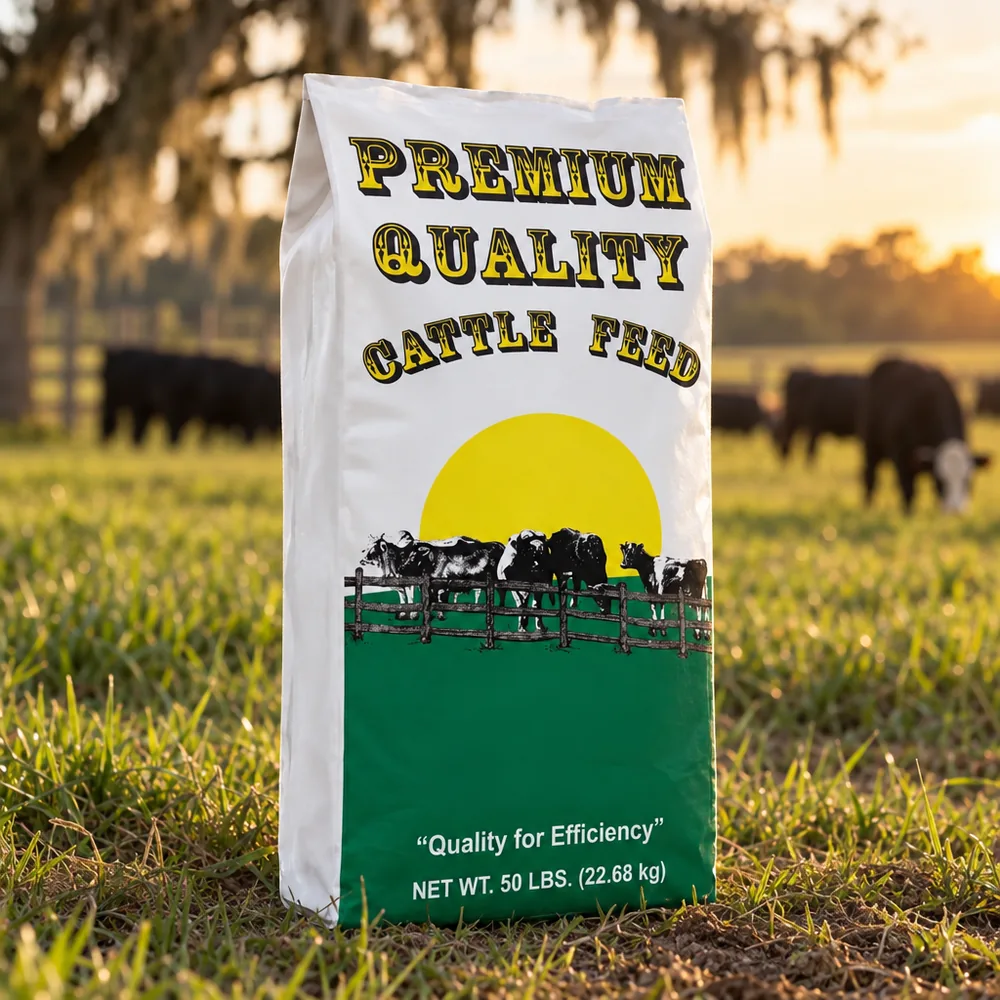
Range cubes are a pressed, cube-shaped supplement that cattle eat. The Mid South 20% Cattle Range Cubes come in a 50 lb bag at $17.00, and they are in stock. Cubes are easier to portion out because you can measure them by the scoop or pan, and they are simpler to put in a trough or feeder than a heavy tub. Owners who want a known amount going out each time, or who feed in a smaller area, often lean toward cubes for that reason.
Cubes ask for more handling. You carry bags, open them and refill feeders more often than you would a tub. Keep cubes dry. Rain and humidity can make them wet, clump and spoil if they sit out uncovered, so plan on a dry place to store the bags and a feeder that keeps the rain off what is inside.
Compare the labels side by side
Pick up both tags and read them in the same order. A higher protein number is not automatically the better buy. It only helps if the forage is actually short on protein. The label tells you what the product contains and how to feed it, so start there.
- Read the guaranteed analysis on each tag and compare the listed values, not the wording on the front of the bag or tub.
- Check the feeding directions. Follow the manufacturer's rate for your cattle rather than guessing or copying what a neighbor does.
- Look at the ingredient list so you know what is in the feed, especially if you already feed a mineral or another supplement.
- Note the form and package size. A 200 lb tub and a 50 lb bag are built for different routines.
- Check whether the supplement includes minerals. Do not assume a protein product covers the mineral program on its own.
Labor and cost
Sticker price does not tell you the cost of feeding. A $93.25 tub and a $17.00 bag cannot be compared by price alone, because they hold different amounts and feed different ways. Work out what the cattle actually eat from the feeding directions on the tag, how many head you have and how long the product lasts. Then add the labor: hauling, refilling, keeping feed dry and how often you check the supply.
For a small group of cattle on a close pasture, a bag of cubes you can measure and carry may be the simplest option. For a larger pasture with more ground to cover, a tub spreads the work out and reduces how often you need to go to the feeder. Neither answer is right for every farm, and the cheapest option on paper is not always the cheapest once you count your time.
Where minerals fit
Protein is only one part of a cattle feeding program. Many owners also provide a mineral, and tubs and cubes may or may not include minerals. Read each tag to see what it provides. If you are working out a mineral plan alongside your supplement, bring the tags in and we can look at them with you at the counter. Browse our cattle supplies too, and check with your extension agent for a complete program that fits your pasture.
Mistakes to avoid
- Buying protein because the bag or tub looks strong, without checking whether the forage is short on protein.
- Setting out a tub and forgetting about it. Look in on the herd and make sure cattle are eating the supplement.
- Leaving cubes exposed to rain. Keep feed dry and covered, and store bags off the ground.
- Guessing at amounts. Use the feeding directions on the tag as your starting point.
- Treating a supplement as a cure. If an animal is off feed, losing condition or appears sick, call your veterinarian.
Making the call
A simple way to decide is to look at the herd first. If your cattle are holding condition on the grass and hay you have, you may not need a protein supplement right now. If they are thinning out as the forage declines, a supplement is worth a closer look. Choose a tub when you want low daily handling and have a pasture where cattle can reach it easily. Choose cubes when you want to measure intake, feed in a smaller area or keep a closer hold on the amount going out.
Read the tag, check the forage and ask your extension agent if you are unsure. Baker Feed & Country Store is at 5791 Hwy 4, Baker, FL 32531, and you can call (850) 537-1000. We are open Monday through Friday 8 am to 6 pm, Saturday 8 am to 2 pm and closed Sunday, all times Central. Bring in the tag from the feed you are considering and we will walk through it with you.
Is a protein tub better than range cubes for cattle?
Neither is better across the board. Tubs suit larger pastures and low daily handling, while cubes suit measured feeding and smaller areas. Base the choice on your forage, your labor and the feeding directions on the tag.
Do all cattle need a protein supplement in winter?
No. Start with the forage and the condition of the herd. Cattle that hold their weight on good grass or hay may not need extra protein. If you are unsure, ask your county extension agent or check UF/IFAS Extension guidance for Florida.
How do I compare the cost of a tub and a bag of cubes?
Compare the cost per head per day using the feeding directions on each tag, not the sticker price. Count the time spent hauling, refilling and checking the supply as part of the cost.
What if my cattle stop eating the supplement or look unwell?
Call your veterinarian. A feed product does not replace a diagnosis, and no supplement should be used to treat an illness without advice from your vet.

 Ask Daisy