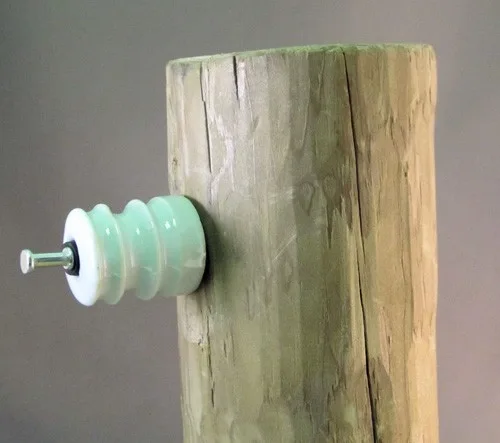
A good insulator keeps the current on the wire and off the post. This Dare insulator is made from electrical porcelain, chosen for superior dielectric and mechanical strength, so it holds the wire off the wood and keeps your fence hot where it belongs.
The 10d double-headed nail is made to be driven into the post and pulled back out, so a run is easy to rebuild or move. The poly washer sits between the insulator and the post. This standard line insulator fits the common wood-post runs, so it works across a fence line without special hardware.
Highlights
- Electrical porcelain for dielectric and mechanical strength
- Standard line insulator for wood-post runs
- 10d double-headed nail
- Poly washer included
- Good for new runs and repairs
Why porcelain on a wood-post fence
Wood moves with the weather and rots where it stays wet, so a wood-post fence needs insulators that hold up in the same conditions. Porcelain doesn't rot, soften or soak up water the way wood does.
Porcelain also holds its shape. An insulator that keeps its form holds the wire at the same spacing from the post, year after year, instead of drooping or shifting as the seasons change. It suits a horse pasture on a wood-post run, a cattle or goat fence with a hot wire on wood posts, and a homestead that wants a fence that stays hot through a wet season.
At a glance
| Material | Electrical porcelain |
|---|
| Type | Standard-size line insulator |
|---|
| Hardware | 10d double-headed nail and poly washer |
|---|
| Style | No. 5E |
|---|
| Origin | Imported |
|---|
| Package | 25 insulators |
|---|
How to use it
Set the insulator where the wire needs to run past the post, and drive the double-headed nail into a sound wood post with the insulator snug against the wood. Drive the nail until the insulator is firm, then stop.
Don't overdrive the nail. Too much force can crack the porcelain body, and a cracked insulator is the weak point of the run.
Seat the wire in the insulator before you tension it, so the wire rests in the insulator and the weight stays off the nail.
Wipe off dirt, salt and wet grass when you walk the fence. Dirt on an insulator can give current a path to ground, so a clean insulator keeps more of the charge on the wire.
Good to know
- Replace any insulator with a crack or chip right away. A cracked body can ground out a long run and leave the rest of the fence cold.
- Keep spare insulators and nails in the barn, so a repair takes minutes instead of a trip to town.
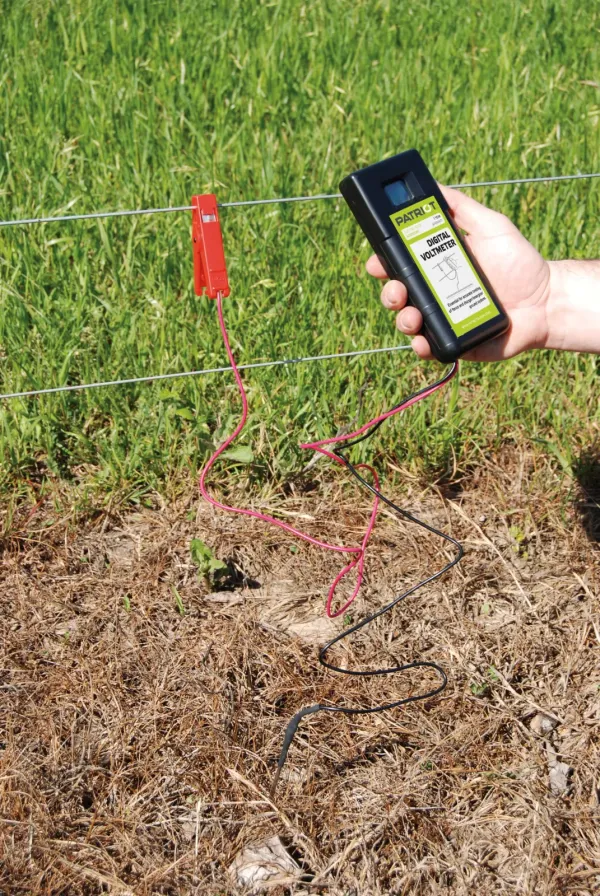
- Pair the insulators with a fence tester and a sound wood post. A tester shows you the run is hot after a repair, and a solid post keeps the insulator where you set it.
About Dare
Dare Products began in 1946 in a small downtown office in Battle Creek, Michigan, and has built a full line of electric fencing equipment and related farm products since then. The company is based in the U.S. and makes the majority of its own products.
Keep a few on the shelf so a broken insulator never takes a paddock out of service.


 Ask Daisy