A permanent fence line asks a lot of its wire. It has to hold tension through summer heat, winter cold and a herd leaning on it. This 200-foot spool of 14-gauge galvanized steel is built for that work, with a breaking load of up to 698 lb and tensile strength of up to 150,000 PSI.
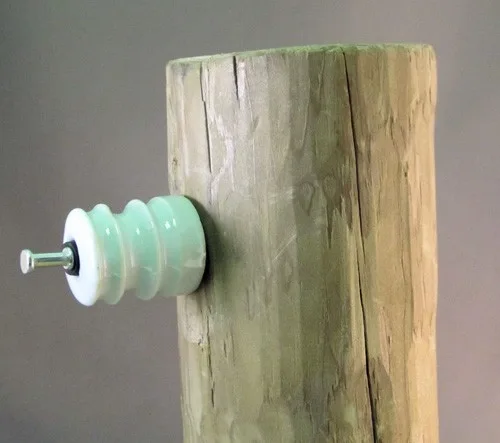
The zinc coating resists rust and corrosion, so the wire holds up better on the posts through wet seasons instead of weakening at the first damp spring. Run it on plastic or porcelain insulators on any fence-post type you already have, and set the wire height and spacing for the animals behind the fence.
Highlights
- 14-gauge galvanized steel
- Breaking load up to 698 lb
- Tensile strength up to 150,000 PSI
- Zinc coating resists rust and corrosion
- Works with plastic or porcelain insulators
- Works on any fence-post type
Why choose galvanized wire for permanent fence
Permanent fence is about the long haul. Bare steel rusts through a few seasons, and rust weakens the wire right where it has to bear load. Galvanized wire puts a zinc layer between the steel and the weather, which is why galvanized wire is the usual pick for fence lines that need to last.
Tension is the other half of the job. Slack wire lets animals push through, and it sags into grass and brush, which drains the charge from the whole run. A wire that holds its tension keeps the line tight and the animals where they belong. A fence that stays tight also needs less re-stretching and fewer trips down the line.
It suits a cattle pasture perimeter, a goat yard, a hay field fence or any run where a permanent line needs to hold. Anyone rebuilding an old line or running a new one will get more from wire that's built for the work. A 200-foot spool is a practical amount for a repair or a short run, so keep one in the shed for the day a post goes down.
At a glance
| Material | Galvanized steel |
|---|
| Gauge | 14 gauge |
|---|
| Breaking load | Up to 698 lb |
|---|
| Tensile strength | Up to 150,000 PSI |
|---|
| Coating | Zinc |
|---|
How to use it
Set the wire up with the same care you'd give any permanent line:
- Wear gloves and safety glasses when you cut, unroll or tension the coil.
- Run the wire through plastic or porcelain insulators on each post, and keep it off bare posts.
- Tension the run evenly so the wire stays tight without straining the posts.
- Set the height and spacing for the animals you keep, with the lowest strand low enough that a calf or kid can't crawl under.
- Walk the line after a storm and check for sag, loose insulators and wire that has come off the posts.
Good to know
- Keep weeds and brush off the wire, since vegetation touching the line drains the charge.
- Keep a spare insulator or two and a splice kit on the shelf for the next post that breaks.
- Pair the wire with the rest of the line: insulators, gate handles and a good energizer make a fence that works.
- Tensioned wire can snap back, so rewind the coil neatly after use and keep it away from the animals.
Cautions
Note: Always handle American Farm Works electric fence wire coils with caution and wear appropriate safety gear, including gloves and safety glasses
Fall is a good time to tighten up a run before winter pasture, so get the spool before the first hard freeze.

 Ask Daisy