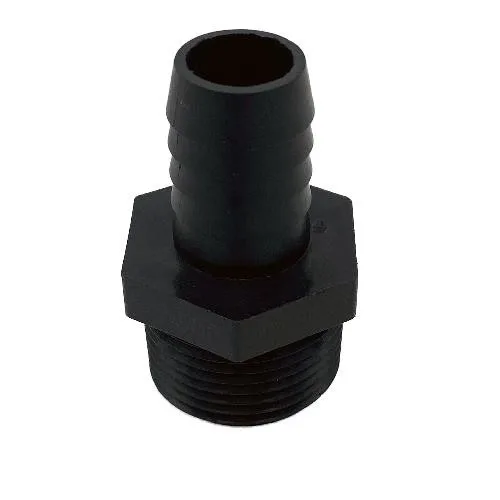
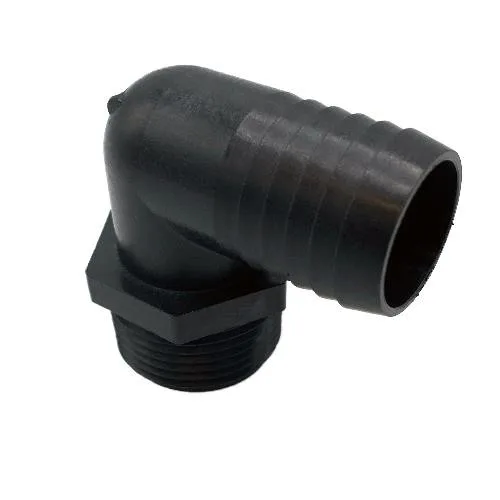
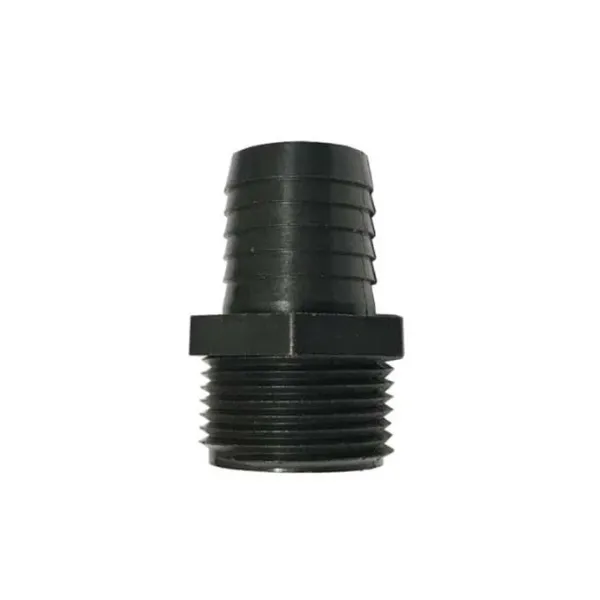
A sprayer is only as good as its connections. When one fitting cracks or strips out, the whole rig sits in the shed until a new piece arrives. This fitting runs from a 3/4 in male pipe thread to a 1/2 in hose barb, and it's made of polypropylene, so it can step in for the part that gave out and get you back to work.
Polypropylene is a tough plastic and a common choice for sprayer work. It won't rust the way a steel fitting can, and it's lighter than metal. Thread the male end into the port, push the barbed end into the hose, and the connection is made.
Highlights
- Polypropylene construction that won't rust
- 3/4 in male pipe thread on one end
- 1/2 in hose barb on the other end
- Built for sprayer repairs and assembly
- Used in the valve plumbing of FIMCO's 150 gallon 3-point sprayer
Why a poly fitting makes sense on a sprayer
Plastic fittings sit in wet, chemical-laden areas year after year, and they don't corrode the way metal can. A poly fitting is also a simple swap when one wears out, so the repair stays a quick job instead of a shop visit. That's the kind of fix that keeps a spraying season on schedule.
This is the right piece for a farm or ranch owner who keeps a sprayer running, a property owner rebuilding a hose line, or anyone who needs to join a threaded port to a hose. If you have a hose on one end and a male pipe thread on the other, this fitting is built to join them.
At a glance
| Material | Polypropylene |
|---|
| Fitting size | 3/4 in male pipe thread x 1/2 in hose barb |
|---|
| Part number | 3A3412 |
|---|
How to use it
Get the thread and barb right before you tighten anything.
- Match the male thread and the hose barb to the port and hose you are replacing.
- Wrap the male threads with PTFE thread seal tape, then thread the fitting in by hand and add a snug turn with a wrench.
- Push the hose onto the barb and slide a clamp over the hose behind the barb.
- Test with clean water and check for leaks before you add any product.
Good to know
- Polypropylene can crack if you overtighten it, so snug the fitting and stop.
- Replace the fitting if the threads look chewed, cracked or weeping at the joint.
- Keep a few clamps and a roll of thread seal tape in the shop so a leak gets fixed the same day.
- Rinse the sprayer and let it drain before you store it, so no product sits in the fittings over the off-season.
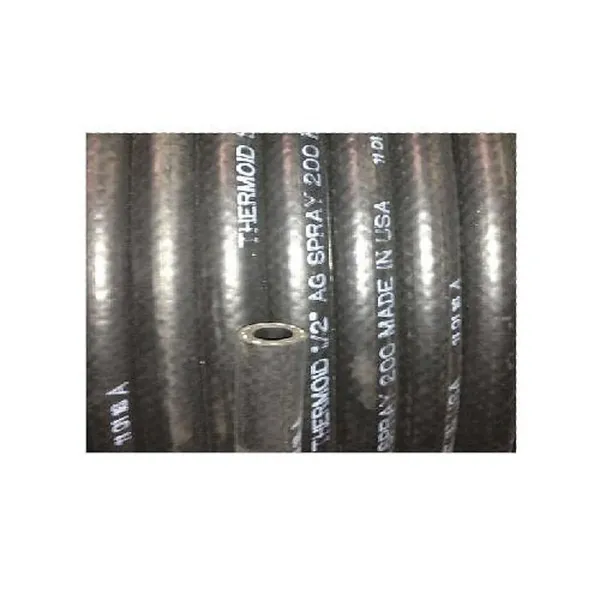
- Pair it with hose, clamps and a pressure gauge for a complete repair.
Keep a spare in the toolbox so a cracked fitting doesn't stop a spray day.

 Ask Daisy