A slow-release, high-acid 12-4-8 fertilizer with added magnesium, formulated for blueberries.
Made for blueberry nutrition
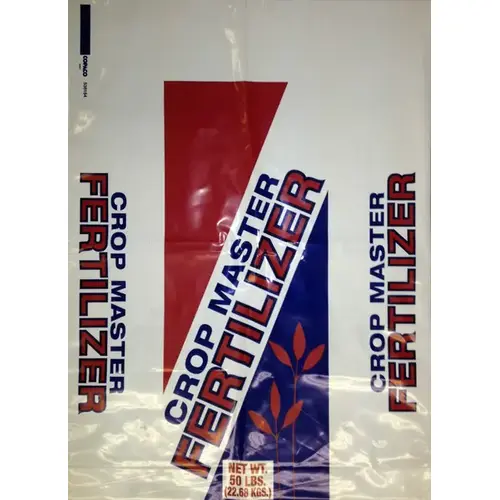
Crop Master Blueberry Fertilizer is a slow-release 12-4-8 blend with added magnesium and a high-acid formulation. It is made for blueberry plantings, where soil conditions and plant age guide feeding. The 12-4-8 analysis supplies nitrogen, phosphate and potash for established blueberry plantings. Magnesium is a secondary nutrient that supports chlorophyll formation and normal plant metabolism. This formula is one part of a blueberry care plan, not a substitute for correcting unsuitable pH or drainage.
Start with the soil
Blueberries need acidic soil. A preferred pH range for home plantings is 4.5 to 5.2. Test the planting area before adding fertilizer or soil amendments, since high or low pH can change nutrient availability. A fertilizer cannot correct a site that is too wet, poorly drained or outside a suitable pH range. Blueberries need sunlight for fruit production and consistent moisture while young, but avoid leaving their roots in standing water. Mulch around plants helps conserve moisture and suppress competing grass and weeds.
Use restraint with young plants
Young blueberry plants can be damaged by excess fertilizer. Do not fertilize at transplanting. Wait until leaves emerge and new growth begins, then follow the rate printed for this exact product and plant age. Keep granules away from the stem and distribute them over the root area as the package directs. Do not substitute a dose from another fertilizer just because its analysis looks similar; formulations and release characteristics differ. If plants show poor growth, check water, pH, drainage and nutrient status before increasing the amount.
Match feeding to plant age
Blueberry fertilizer needs change as bushes grow. During establishment, feeding supports root and branch growth, while mature bushes need amounts adjusted to their size. Soil phosphorus also affects formula choice. A 12-4-8 blend is useful where phosphorus is already high, while lower-phosphorus soil can call for a different nutrient balance. Keep the soil-test report and application date with your garden notes. Apply only according to the product label, and spread granules evenly across the root zone rather than heaping them at the base. Consistent moisture helps young roots use nutrients, but waterlogged soil can damage them.

 Ask Daisy