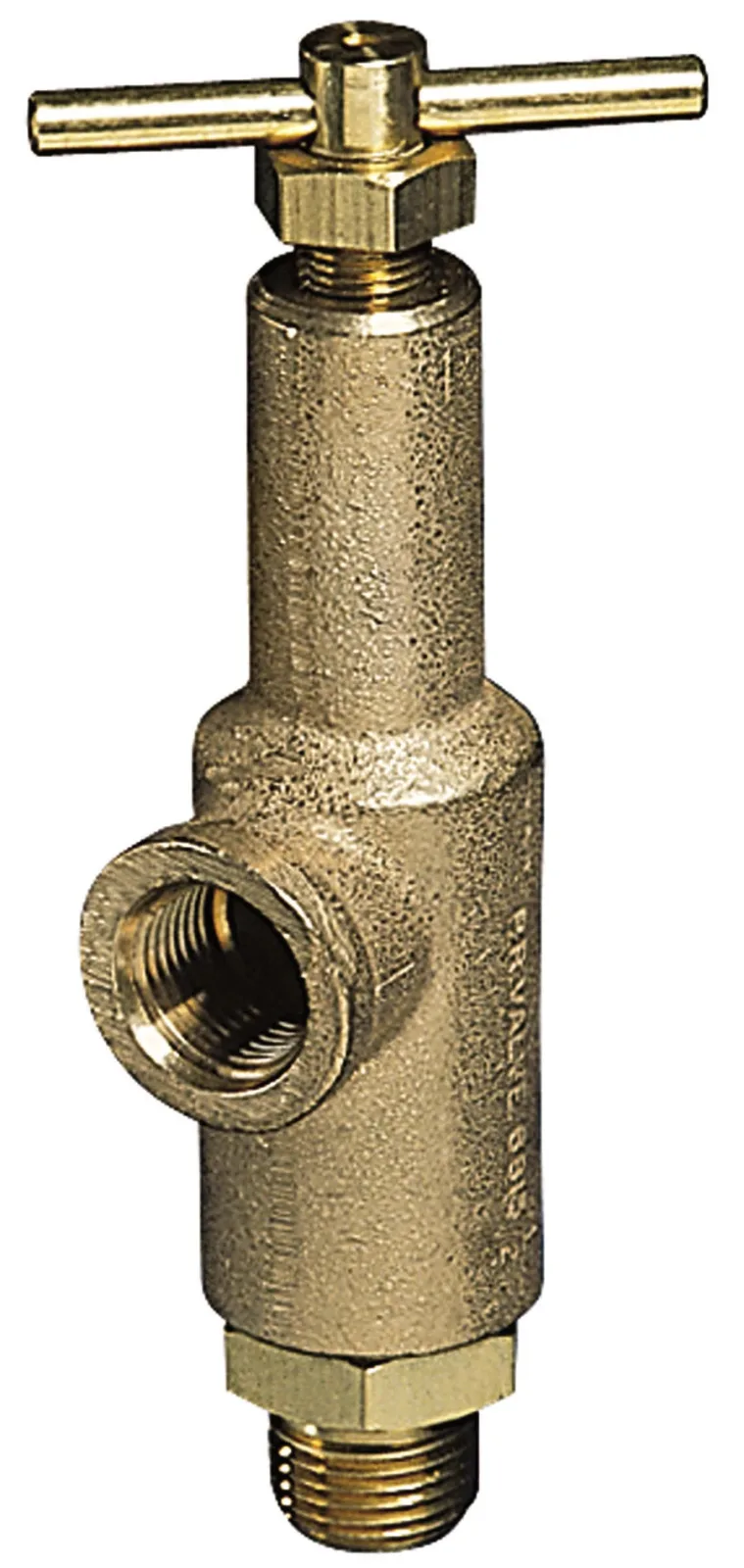
Built for sprayer operators who want steady pressure and less waste. This piston-type relief valve controls line pressure and routes excess liquid back to the source or pump inlet, so extra product isn't lost.
The 6815 works as a regulating valve in a line where pressure has to stay under control, which is the job a relief valve does best. Keep a replacement on the shelf, so a valve that starts acting up mid-season doesn't stop the sprayer.
Highlights
- Holds line pressure steady through the spray run
- Returns excess liquid to the source or pump inlet
- Cuts waste from overpressure
- Male inlet and female outlet
- Brass 6815 piston-type relief rated to 300 PSI
What it's for
A sprayer runs at a pressure you choose, and anything that pushes the line past that point stresses hoses, fittings and the pump. A relief valve is the safety valve of the plumbing. It opens when pressure climbs, returns the extra liquid, and lets the rest of the system work as designed.
It suits the operator who runs a fixed sprayer setup on a tractor or trailer, the shop that keeps several rigs running, and anyone with a line that feeds a boom or a manifold. When you choose a replacement, match the model number and check that the inlet and outlet fit your plumbing.
At a glance
| Product type | Valve |
|---|
| Style | Piston-type pressure relief |
|---|
| Model | 6815 |
|---|
| Inlet connection | Male |
|---|
| Outlet connection | Female |
|---|
| Size | 3/4 in |
|---|
| Maximum pressure | 300 PSI |
|---|
| Material | Brass |
|---|
How to use it
Connect the male inlet and female outlet as your plumbing requires, and check the direction before you tighten anything. Use thread-seal tape on the male threads.
Plumb the return line from the outlet back to the liquid source or pump inlet, and keep it clear of kinks. Run clean water through the system, check every connection for leaks, and watch for steady flow before you add mix.
Good to know
- Drain the line before you remove the valve so the mix doesn't spill on the shop floor.
- Flush the sprayer with clean water after every job so dried mix doesn't stick the valve.
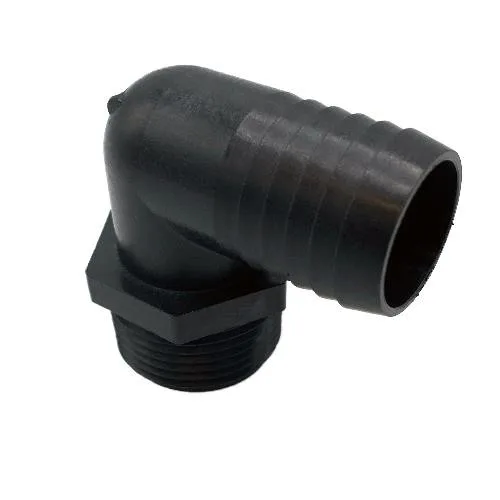
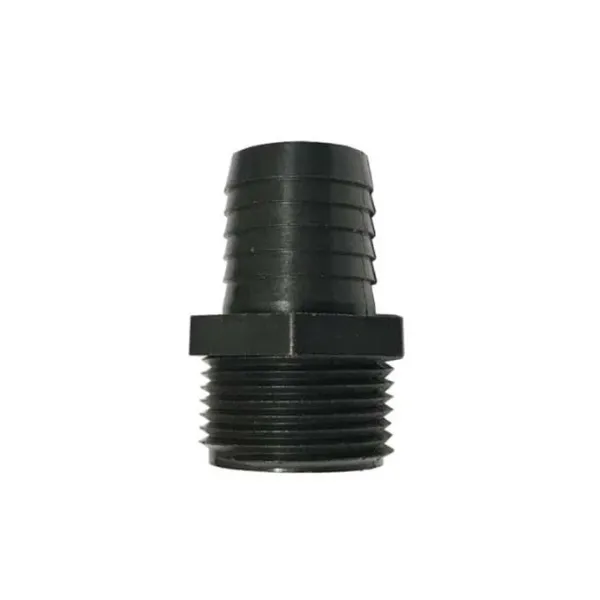
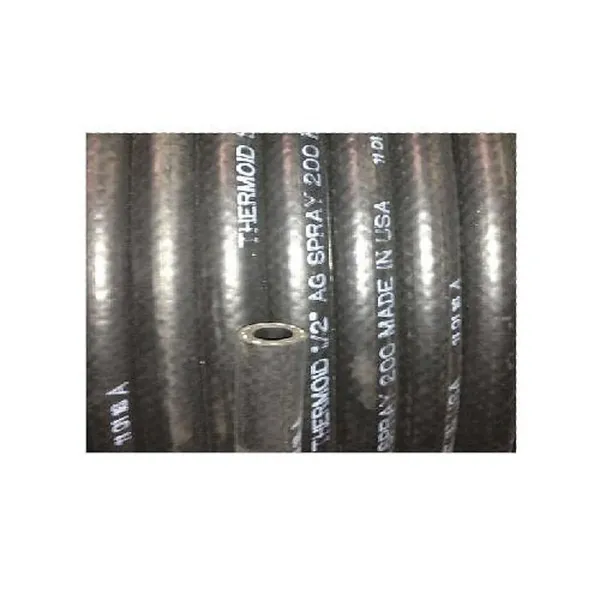
- Pair it with thread-seal tape, a few lengths of hose and a line strainer ahead of the pump.
Check the valve at the start of each season, looking for leaks around the connections.
About TeeJet
The valve comes from Spraying Systems Co., the company behind TeeJet. It is a world leader in spray nozzles, and more than 50 billion gallons of fluid flow through its products every day.
Stock a spare now so a failed valve never shuts down the sprayer in the middle of a run.

 Ask Daisy