Plant a warm-season perennial grass for persistent pasture and open, sunny ground cover.
For dependable summer forage
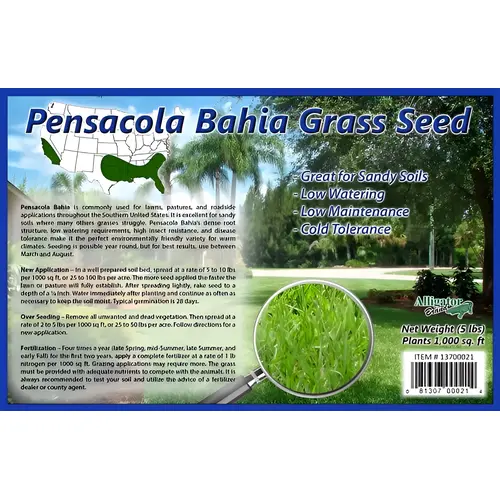
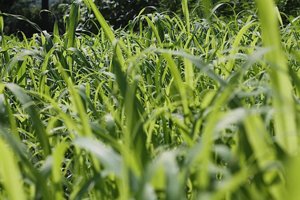
Pensacola bahiagrass is a warm-season perennial used for grazing, hay, and durable ground cover. It tolerates heat and can remain productive through dry periods once established. Its growth is open, so it is better suited to pasture and utility areas than to a thick ornamental lawn. Give it sunlight. Shade reduces stand quality and leaves room for weeds.
Seed a clean bed
Plant in spring after frost danger passes and soil begins to warm. Prepare a firm seedbed, spread seed evenly, and rake it in no more than one-quarter inch deep. Keep the surface moist during emergence. Control weeds while seedlings are small, then protect the new stand from heavy grazing until it has rooted and spread.
Build a stand before grazing
Bahiagrass can handle regular grazing after establishment, but close repeated grazing weakens recovery. Let plants keep enough leaf area to regrow between rotations. Mow seed heads when needed to keep growth manageable, but avoid scalping. A soil test helps set lime and nutrient needs. Correcting soil conditions is more useful than adding fertilizer without knowing what the field lacks. For midsummer hay, retain about 2 inches of stubble; cutting lower can reduce the leaf area needed for recovery. Bahiagrass seed heads can be managed by mowing when they interfere with field use, while leaving enough leaf behind for recovery. Avoid timing livestock turnout by date alone; judge the stand by height and rooting.
Use it where persistence matters
Bahiagrass makes most of its growth in warm weather, so plan livestock demand and hay harvest around the summer flush. For established pasture, retain about 3 inches of stubble under rotational grazing or 5 inches under continuous stocking during midsummer. Repeated overgrazing can weaken the stand. A soil test and forage-use plan are more useful than applying fertilizer on a fixed calendar. If you are overseeding an existing pasture in fall, reduce competition from the warm-season sod so new seedlings can reach the soil and establish. Use 50 to 80 pounds per acre for pasture establishment. Lawn and pasture rates differ, so match the application to the site.



 Ask Daisy