Grow tall summer cover and seed heads that bring structure and bird food to wildlife plots.
Tall cover for summer plots
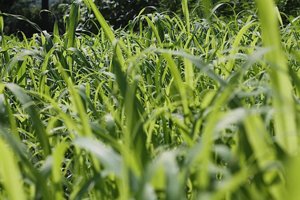
Egyptian wheat, also called shallu, is a tall sorghum grown for wildlife cover and seed production. Plants can reach about ten feet, forming a screen that stands above lower plot crops. Its loose seed heads mature for birds and other wildlife. Put it where the height is useful, such as a plot edge or a dedicated block, rather than where it will shade shorter crops.
Wait for warm soil
Plant after frost danger has passed and the soil has warmed. Use a firm seedbed with good drainage, then place the seed about one-half inch deep. Keep weeds controlled while seedlings are small. Sorghum establishes best when it can grow without competition, and a warm start helps the crop move quickly into summer growth. Avoid low spots that stay wet after heavy rain.
Choose a rate for the planting
For a wildlife food plot, apply 30 to 50 pounds per acre. Rate depends on whether you want a thick screen, a seed-producing stand, or a component in a mixed plot. Allow roughly 110 days from emergence for seed to mature. Set the sowing date after the last spring frost and allow the full growing period before expecting mature seed heads. When combining it with other crops, account for its height so it does not shade shorter plants.
Leave heads standing
Allow seed heads to mature if the goal is standing food for birds. Tall stalks can lodge in wind or saturated soil, so choose a well-drained site. Egyptian wheat is an annual planting, which makes it possible to rotate a food plot or change its layout from season to season. For a mixed wildlife plot, give the tallest crop its own rows or border. Leave enough access to walk or drive along the planting so mature heads can be checked before wildlife consumes them. The crop is adapted to the Southeast, and its tall canopy can make a strong seasonal screen along the outside of a plot.

 Ask Daisy