Plant a tall, single-stem sunflower crop for wildlife plots, seed heads, or field-edge cover.
Build a wildlife food plot
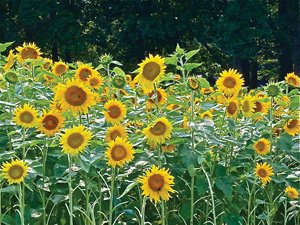
Peredovik is a tall black-oil sunflower grown for wildlife food plots and seed production. Its large seed heads provide food for birds, while the upright plants add cover through the growing season. Plant it as a stand-alone strip or mix it into a broader plot where it will receive full sun. Sunflowers need room and do not compete well with heavy weed pressure during early growth.
Prepare and plant
Choose a well-drained site and wait until the soil is warm enough for fast emergence. Firm the seedbed, sow evenly, and cover seed no deeper than one-half inch. Keep weeds down while plants are small. Sunflowers develop a deep root system, so avoid planting in compacted soil or areas that stay waterlogged. A soil test helps determine whether fertilizer is needed; excessive nitrogen can make tall plants more vulnerable to lodging.
Use the seed by the acre or plot
For a full wildlife planting, seed at 40 pounds per acre. A small plot can use about one pound per 1,000 square feet. When drilling in rows, use 8 to 10 pounds per acre. Choose the rate and method for the equipment and acreage, then firm the soil so seed has good contact. In a mixed food plot, place sunflower along an edge or in a separate block so it does not shade shorter crops. Avoid excess nitrogen on tall plants because lush growth can be more vulnerable to lodging.
Let heads mature
Let heads mature if the goal is standing food for birds. For seed collection, wait until the backs turn yellow-brown and seeds are firm, then cut heads and dry them in a protected place. The tall stalks provide seasonal structure, but remove them after use if you need a clean field for the next planting. Keep access around the plot if you plan to inspect heads or collect seed. In a small planting, staggered rows leave enough working space for weeding while plants are young, before the canopy becomes difficult to enter.

 Ask Daisy